
Kashmir Beyond Postcards: Navigating “Heaven on Earth” with Real-World Expertise
Estimated reading time: 8–10 minutes
✨ Quick Takeaways
- Kashmir offers diverse experiences; thoughtful planning with local insights is key to a smooth journey.
- Timing your visit is crucial, with each season (Spring, Summer, Autumn, Winter) offering unique attractions.
- Budget realistically for your trip (INR 15,000 – 1,00,000+ for 5-7 days, excluding flights) based on your travel style.
- Prioritize safety, local insights, and expert-arranged logistics to avoid common mistakes and enhance your experience.
In This Guide
- The Kashmir Reality Check: What to Expect
- Best Time to Visit Kashmir: Timing Your Experience
- Entry Requirements & Documentation for Indian Citizens
- Realistic Budgeting for Your Kashmir Trip (INR)
- Suggested Itineraries: Making the Most of Your Time
- Top Experiences & Hidden Gems
- Food & Dining: A Culinary Journey for Every Palate
- Where to Stay: Finding Your Perfect Abode
- Practical Tips, Safety, and Common Mistakes
- Tailored Advice: Specific Travelers
- How Let’z Go Travel Adds Value to Your Kashmir Journey
- Frequently Asked Questions (FAQ)
When people talk about “Heaven on Earth,” Kashmir often comes to mind. But the real Kashmir, the one you truly experience, isn’t just about beautiful scenery. It’s about navigating the seasons, understanding local nuances, managing logistics, and ensuring your trip is smooth from takeoff to touchdown. As your strategic partners at Let’z Go Travel, we’ve planned hundreds of journeys to this region for Indian families, couples, and solo explorers. We don’t just book tickets; we solve problems and craft experiences based on deep, real-world understanding.
Forget the generic travel guides. This isn’t about marketing gloss; it’s about giving you the straight facts and practical advice you need to plan a truly memorable Kashmir trip.
The Kashmir Reality Check: What to Expect
Kashmir is a destination that rewards thoughtful planning. It offers towering peaks, serene lakes, sprawling meadows, and a unique culture. However, it’s also a region with specific geographical and, at times, logistical considerations. You’ll find warm hospitality, delicious cuisine, and sights that etch themselves into your memory. But like any destination, it has its quirks – from varying road conditions to seasonal weather shifts that can impact your plans. This is where our experience becomes invaluable. We don’t just tell you about the scenery; we tell you about the road to get there.
Best Time to Visit Kashmir: Timing Your Experience
Choosing the right time to visit Kashmir depends entirely on what you want to see and do. There’s no single “best” time, only the best time for you.
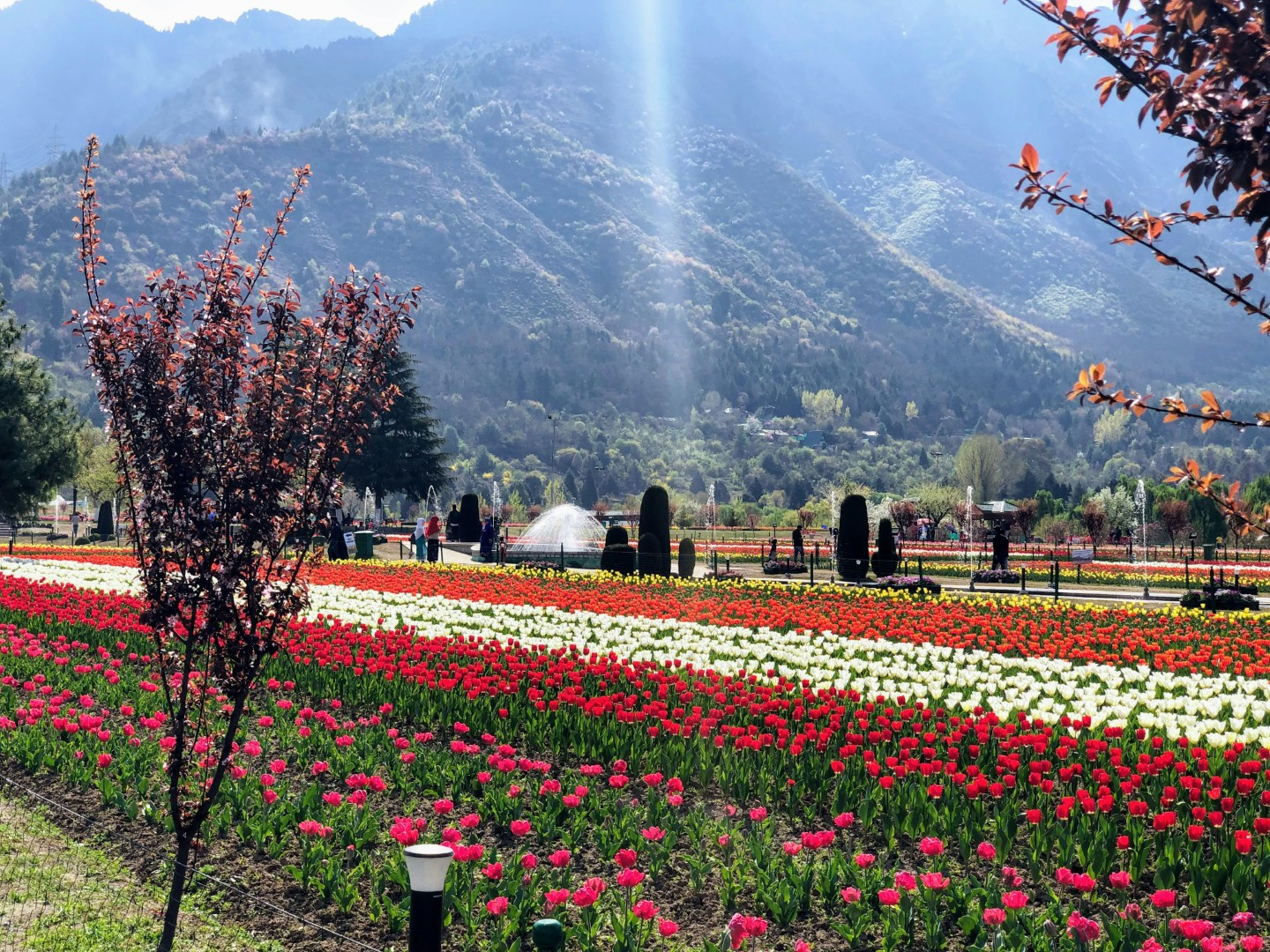
- Spring (March to early May): This is when Kashmir truly awakens. The almond and cherry blossoms burst forth, the Mughal Gardens are in full bloom, and the air is crisp. Gulmarg starts shedding its snow cover, making it accessible for pony rides and early treks.
- Summer (Mid-May to August): Lush greenery defines summer. Meadows are vibrant, and the weather is generally pleasant, making it ideal for trekking, camping, and exploring high-altitude areas like Sonamarg and Pahalgam. Dal Lake and Nigeen Lake are at their most active.
- Autumn (September to November): This is arguably Kashmir’s most picturesque season for many. The Chinar trees turn fiery hues of gold, crimson, and rust. The weather is cool and clear, perfect for sightseeing and photography. The harvest season brings fresh produce to the markets.
- Winter (December to February): A winter wonderland. Snow blankets everything, offering opportunities for skiing, snowboarding, and enjoying the stark beauty of a snow-covered landscape. Gulmarg transforms into a prime ski destination.
Entry Requirements & Documentation for Indian Citizens
As Kashmir is an integral part of India, Indian citizens do not require a visa to visit. However, you must carry valid government-issued identification at all times.
- Accepted IDs: Aadhaar Card, Passport, Voter ID, or Driving License.
- Children: For minors, school ID cards or a birth certificate along with a guardian’s ID are usually sufficient, but carrying a passport if available is always best practice.
- Permits: For standard tourist routes (Srinagar, Gulmarg, Pahalgam, Sonamarg), no special permits are generally required. However, if you plan to venture into specific border areas, local permits might be needed, which we would arrange for you.
Realistic Budgeting for Your Kashmir Trip (INR)
Budgeting for Kashmir depends heavily on your travel style – whether you prefer a comfortable yet economical trip or a luxurious experience. Here’s a realistic breakdown for a 5-7 day trip per person (excluding flights):
| Category | Budget Traveler (₹15,000 – ₹25,000) | Mid-Range Traveler (₹30,000 – ₹50,000) | Luxury Traveler (₹60,000 – ₹1,00,000+) |
|---|---|---|---|
| Accommodation | Guest houses, homestays, basic hotels (₹1,500 – ₹2,500 per night) | 3-star hotels, comfortable houseboats, boutique resorts (₹4,000 – ₹7,000 per night) | 4-5 star hotels, premium houseboats, high-end resorts (₹8,000 – ₹20,000+ per night) |
| Food | Local eateries, dhabas (₹500 – ₹800 per day) | Mid-range restaurants, occasional fine dining (₹1,000 – ₹1,800 per day) | Gourmet dining, exclusive restaurant experiences (₹2,000 – ₹4,000+ per day) |
| Transport | Shared taxis, local buses, negotiating rates for private transfers | Private taxi for the entire trip, pre-arranged by us for convenience and reliability | Premium private vehicles (SUV/Sedan), possibly internal transfers via helicopter for specific routes (Gulmarg) |
| Activities | Gondola ride (Gulmarg), Shikara ride (Dal Lake), entry fees to gardens | All standard tours, possibly a guided trek, specific experiences | Tailored experiences, private guides, specialized adventure sports, exclusive cultural encounters |
Flight Costs (Round Trip):
Flights from major Indian hubs (Delhi, Mumbai, Bangalore) to Srinagar (SXR) typically range from ₹8,000 – ₹15,000 per person if booked well in advance. During peak seasons or last-minute bookings, these can easily go up to ₹20,000 – ₹30,000+. We always recommend booking flights at least 2-3 months out for the best rates.
Suggested Itineraries: Making the Most of Your Time
To truly soak in Kashmir, you need a minimum of 5-7 days. Anything less feels rushed. Here are a few structures we often recommend:
1. The Classic Kashmir (6 Days/5 Nights)
- Day 1: Arrive Srinagar. Transfer to houseboat or hotel. Shikara ride on Dal Lake, explore Mughal Gardens (Nishat, Shalimar).
- Day 2: Srinagar Local. Visit Shankaracharya Temple, Old City markets, perhaps a local bakery tour.
- Day 3: Day Trip to Gulmarg. Gondola ride (Phase 1 & 2 if open and weather permits), walk through the meadows. Return to Srinagar.
- Day 4: Srinagar to Pahalgam. En route, visit Saffron fields (seasonal) and Avantipur ruins. Check into hotel in Pahalgam. Explore Lidder Valley.
- Day 5: Pahalgam Exploration. Visit Betaab Valley, Chandanwari, Aru Valley (local taxi needed). Enjoy the riverside.
- Day 6: Depart from Srinagar. Transfer back to Srinagar airport for your onward flight.
2. Kashmir for Adventure & Serenity (8 Days/7 Nights)
- Days 1-3: As above, exploring Srinagar and a Gulmarg day trip.
- Day 4: Srinagar to Sonamarg. Check into hotel. Explore Thajiwas Glacier (pony or short trek). Enjoy the Sindh River.
- Day 5: Sonamarg Exploration / Trekking. Day hike to Vishansar Lake (advanced trekkers) or leisurely walks around Sonamarg. Return to Sonamarg hotel.
- Day 6: Sonamarg to Pahalgam. Scenic drive. Check into Pahalgam hotel. Relax by the Lidder River.
- Day 7: Pahalgam Exploration. Betaab Valley, Chandanwari, Aru Valley. Pony rides.
- Day 8: Depart from Srinagar. Transfer to airport.
Why Longer is Better:
Top Experiences & Hidden Gems
Beyond the iconic Dal Lake and Gulmarg Gondola, Kashmir offers layers of discovery:
- A Shikara Ride on Dal Lake at Sunset: While popular, it’s a non-negotiable. The way the light plays on the water is mesmerising.
- Pony Rides in Gulmarg/Pahalgam: A classic way to explore meadows and reach viewpoints. Always agree on the price before you start.
- Visit the Floating Vegetable Market (Dal Lake): An early morning experience, usually between 5-7 AM, that offers a unique glimpse into local life.
- Explore Old Srinagar (Shah-e-Hamdan, Jama Masjid): Wander through the narrow lanes, witness traditional architecture, and experience the pulse of the city away from the tourist hub.
- Doodhpathri: Often called the “Valley of Milk,” it’s less commercialized than Gulmarg or Pahalgam, offering expansive green meadows, a flowing river, and tranquility. It’s perfect for a day trip from Srinagar.
- Gurez Valley: A truly off-the-beaten-path destination for the adventurous. Requires special permits (which we arrange) and offers raw, untouched beauty, traditional wooden villages, and views of Habba Khatoon peak. Best visited in summer/autumn.
- Wular Lake: One of Asia’s largest freshwater lakes, offering birdwatching and a more rustic houseboat experience compared to Dal Lake.
Food & Dining: A Culinary Journey for Every Palate
Kashmiri cuisine is rich and flavorful. While it’s famously meat-centric (Wazwan), there are plenty of vegetarian and even Jain-friendly options.
- Must-Try Kashmiri Dishes:
- Rogan Josh: A rich, aromatic lamb curry.
- Yakhni: Yogurt-based meat curry.
- Goshtaba & Rista: Meatballs in white and red gravies, respectively.
- Nadru Monje: Lotus stem fritters, a delicious snack.
- Dum Aloo: Baby potatoes cooked in a rich, spicy gravy.
- Paneer Rogan Josh: A vegetarian adaptation of the classic.
- Kashmiri Saag: Collard greens, often prepared simply with mustard oil and spices.
- Kashmiri Pulao: Fragrant rice cooked with dry fruits and nuts, mildly sweet.
- Kahwa: The traditional green tea infused with saffron, cardamom, cinnamon, and almonds – a warm, comforting beverage.
Vegetarian & Jain Options:
Where to Stay: Finding Your Perfect Abode
- Srinagar:
- Dal Lake/Nigeen Lake (Houseboats): For a quintessential Kashmiri experience. Choose houseboats based on cleanliness, amenities, and service rather than just price. We only work with reputable, well-maintained houseboats.
- Boulevard Road: Hotels with lake views, easy access to markets and Mughal Gardens.
- Residency Road/Lal Chowk: City hotels, good for business travelers or those who prefer being in the urban center with easy access to shops and restaurants.
- Gulmarg:
- Near Gondola Base: Convenient for skiing/Gondola access, but often pricier.
- Further Down the Hill: More secluded, often better views, but might require local transport to reach the main areas.
- Pahalgam:
- Along Lidder River: Offers serene views and sounds of the flowing river.
- Main Market Area: Closer to restaurants and shops.
Practical Tips, Safety, and Common Mistakes
Packing Essentials:
- Layered Clothing: Even in summer, evenings can be cool. In winter, thermal wear, heavy jackets, gloves, and caps are essential.
- Comfortable Walking Shoes: You’ll be doing a lot of walking, especially in gardens and meadows.
- Rain Gear: A compact umbrella or light rain jacket, especially during spring/monsoon months.
- Basic First Aid Kit: Band-aids, antiseptic, pain relievers, and any personal medication. High altitudes can sometimes cause mild discomfort.
- Power Bank: Essential for keeping your phone charged, especially during long drives.
- Sunscreen, Sunglasses, Hat: UV rays are strong, even on cloudy days.
Practical Do’s & Don’ts:
- Do: Carry enough cash (INR). While UPI and cards are accepted in major towns, smaller villages and local vendors prefer cash.
- Do: Bargain respectfully in local markets, but be fair.
- Do: Engage with locals. They are generally warm and hospitable.
- Do: Respect local customs and traditions, especially when visiting religious sites. Dress modestly.
- Don’t: Expect high-speed internet everywhere. Connectivity can be patchy outside Srinagar.
- Don’t: Engage in political discussions or voice strong opinions on sensitive topics.
- Don’t: Accept unsolicited advice or services from touts. Always rely on pre-arranged transport and guides.
- Don’t: Litter. Help keep Kashmir clean.
Safety & On-Ground Tips:
- General Safety: Kashmir is generally safe for tourists, especially in designated tourist areas. However, like any travel destination, common sense prevails. Keep an eye on your belongings.
- Local Transport: For inter-city travel, we always recommend pre-booked private taxis with trusted drivers. This avoids overcharging and ensures reliability. For local sightseeing, autorickshaws or local shared taxis are available.
- Guides: If you hire a local guide, ensure they are government-certified. We only work with experienced, licensed guides who enhance your understanding of the region.
- Altitude Sickness: While Srinagar is not very high, places like Sonamarg (and routes to Leh from there) are. Drink plenty of water and ascend gradually. If you feel unwell, inform your guide or driver.
Common Mistakes to Avoid:
- Overpacking: You don’t need to carry your entire wardrobe. Layers are key.
- Not Booking in Advance: Especially for peak seasons (April-June, September-October, December-January for winter sports), hotels and flights fill up fast.
- Ignoring Weather Forecasts: A sudden change in weather can impact road conditions. Always check forecasts before planning day trips.
- Relying on Public Transport for All Inter-City Travel: While cheaper, it can be time-consuming and less comfortable for tourists.
- Not Having a Local Contact: Having someone on the ground who can assist in emergencies is crucial. Our 24/7 on-ground support takes care of this.
Tailored Advice: Specific Travelers
- Solo Travelers: Kashmir is welcoming, but it’s wise to stick to well-traveled routes and inform your hotel or our team about your plans, especially for treks. Consider joining small group tours for day trips.
- Families with Children: Choose family-friendly hotels or houseboats with sufficient space. Plan activities that cater to all ages – pony rides, snow activities (seasonal), gentle walks, shikara rides. Keep itineraries flexible and allow for downtime. We often recommend stays in Pahalgam, which offers more activities for kids compared to Gulmarg.
- Honeymoon Couples: Opt for luxurious houseboats on Nigeen Lake (quieter than Dal Lake) or boutique resorts in secluded parts of Pahalgam or Gulmarg. We can arrange special romantic dinners, private shikara rides, and tailored experiences to make your trip truly special.
How Let’z Go Travel Adds Value to Your Kashmir Journey
Planning a trip to Kashmir, while rewarding, involves several moving parts. This is where Let’z Go Travel steps in as your trusted partner:
- Customized Itineraries: We don’t offer generic packages. Every itinerary is crafted based on your preferences, pace, and budget.
- Seamless Logistics: From booking flights and accommodations to arranging reliable ground transfers and local guides, we handle every detail. You just need to show up.
- 24/7 On-Ground Support: Our local partners are always available. Whether it’s a flight delay, a sudden change in plans, or a medical emergency, you have a direct line to assistance.
- Insider Knowledge: Our deep real-world experience means we know the best times to visit specific sites, hidden gems to explore, and how to navigate local situations.
- Problem Solvers: Unexpected rain blocking a road? Last-minute hotel change? We’ve seen it all and have the network and experience to resolve issues swiftly and efficiently, minimizing disruption to your trip.
You want to experience Kashmir, not stress over the details. Let us manage the complexities, so you can immerse yourself in the journey.
Frequently Asked Questions (FAQ)
Q1: Is Kashmir safe to travel to right now?
A1: Yes, tourist areas in Kashmir (Srinagar, Gulmarg, Pahalgam, Sonamarg) are generally safe for travelers. Local authorities ensure the security of tourists. Always follow local advice and avoid venturing into remote, unadvised areas.
Q2: What is the best way to travel from Srinagar to Gulmarg/Pahalgam/Sonamarg?
A2: The most comfortable and reliable way is by pre-booked private taxi. Shared taxis are available but offer less flexibility and comfort. We arrange vetted drivers and vehicles for all our clients.
Q3: Can I find vegetarian/Jain food easily?
A3: Absolutely. Most hotels and restaurants cater to vegetarian diets. For Jain food, it’s best to inform your accommodation in advance or let us know so we can make the necessary arrangements with our trusted partners.
Q4: Do I need to carry woolens even in summer?
A4: Yes, always carry light woolens or a jacket. Even summer evenings can be cool, especially in higher altitude areas like Gulmarg or Pahalgam.
Q5: Are there ATMs available throughout Kashmir?
A5: ATMs are readily available in major towns like Srinagar, Gulmarg, and Pahalgam. However, it’s always advisable to carry sufficient cash for smaller expenses or when visiting more remote areas where card machines might not be available or reliable.
Q6: What about connectivity? Will my phone work?
A6: All major Indian network providers (Jio, Airtel, Vodafone Idea) have coverage in Kashmir. However, prepaid SIMs purchased outside Jammu & Kashmir might face restrictions. If you have a postpaid connection, you generally won’t face issues. Data connectivity can be slow or patchy in some remote areas. We recommend informing your service provider before your trip.
Kashmir is more than a destination; it’s an emotion, a sensory experience that stays with you long after you’ve left its valleys. With the right planning and a trusted partner like Let’z Go Travel, your journey will be one of seamless discovery and cherished memories. We don’t just plan trips; we empower you to experience the world with confidence and joy. Reach out to us, and let’s start crafting your perfect Kashmir escape.