
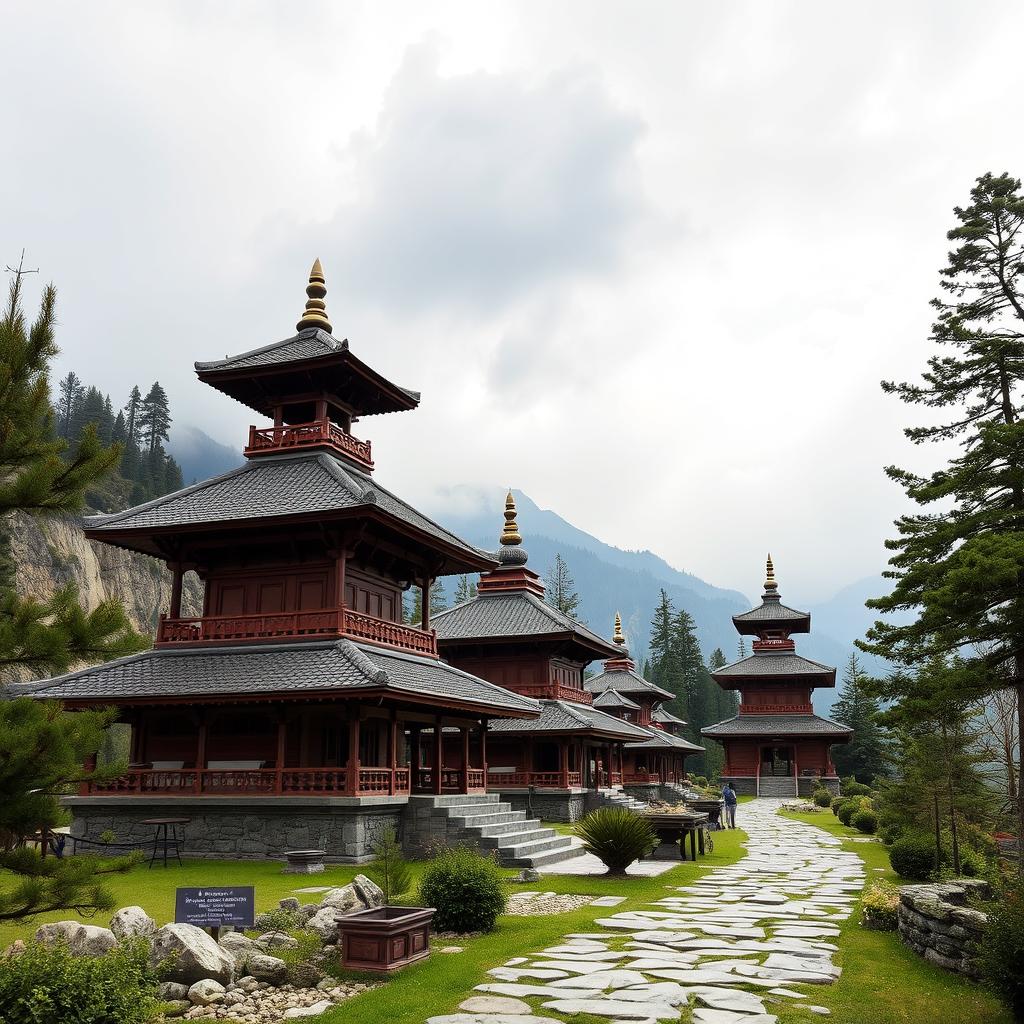
Conquering the Himalayas: Your Essential Guide to Char Dham Yatra 2025 with Let’z Go Travel
Estimated reading time: 8–10 minutes
✨ Quick Takeaways
- Meticulous planning for logistics, accommodation, and safety is paramount for a successful Char Dham Yatra.
- Timing is crucial: May to mid-June or mid-September to October are ideal; avoid the monsoon season (late June-August).
- Mandatory Yatra registration, diverse transport options (trekking, helicopter), and realistic budgeting are essential for a smooth journey.
- A comfortable and enriching Char Dham Yatra typically requires at least 10-12 days from a base city like Haridwar or Dehradun.
In This Guide
- The Yatra Unpacked: What is Char Dham?
- When to Undertake Your Yatra: Timing is Everything
- Char Dham Logistics: Beyond the Spiritual
- Realistic Budgeting for Your Yatra (in INR)
- Crafting Your Yatra Itinerary: How Many Days Are Actually Needed?
- More Than Just Darshan: Uncovering Hidden Gems & Experiences
- Nourishment on the Mountains: Food & Dining
- Where to Stay: Practical Considerations
- Essential Practical Tips & Safety for Your Yatra
- Tailored Advice for Different Travelers
- Let’z Go Travel: Your Yatra Partner
- Genuine FAQ
Embarking on the Char Dham Yatra is more than just a trip; it’s a spiritual odyssey, a journey through the majestic, often challenging, landscape of the Garhwal Himalayas. For many Indian families, it’s a deeply cherished aspiration, a pilgrimage to seek blessings at Yamunotri, Gangotri, Kedarnath, and Badrinath. But let’s be realistic: while the spiritual rewards are immense, the practicalities demand meticulous planning. This isn’t a leisure holiday; it’s an expedition, and navigating its complexities is where real expertise comes in.
At Let’z Go Travel, we’ve planned hundreds of these journeys, from first-time solo trekkers to multi-generational families. We understand the unique challenges – the fickle mountain weather, the varying levels of physical endurance, and the sheer logistical puzzle of coordinating travel across remote terrain. Consider this your no-nonsense guide to planning your Char Dham Yatra for 2025.
The Yatra Unpacked: What is Char Dham?
The Char Dham Yatra literally means “the journey to four abodes.” These four revered shrines – Yamunotri, Gangotri, Kedarnath, and Badrinath – are located high in the Uttarakhand Himalayas.
- Yamunotri: Source of the Yamuna River, dedicated to Goddess Yamuna. Known for its hot springs.
- Gangotri: Source of the Ganga River, dedicated to Goddess Ganga.
- Kedarnath: One of the 12 Jyotirlingas of Lord Shiva, reached by a significant trek.
- Badrinath: Dedicated to Lord Vishnu, one of the most important Vaishnava shrines.
The journey is traditionally undertaken from west to east: Yamunotri, then Gangotri, Kedarnath, and finally Badrinath. Each shrine presents its own set of challenges and spiritual rewards. It’s a journey that tests your physical limits and rewards your faith, amidst some of the most spectacular mountain scenery on Earth.
When to Undertake Your Yatra: Timing is Everything
The Char Dham shrines are typically open for only about six months a year, generally from late April or early May until late October or early November. The exact opening and closing dates are announced by the temple committees, usually around Basant Panchami.
Best Time to Visit:
- May to Mid-June: This is the peak season. The weather is generally pleasant, with clear skies and moderate temperatures, making it ideal for trekking, especially to Kedarnath. However, this also means larger crowds and higher prices for accommodation and transport. If you plan for this window, book everything well in advance.
- Mid-September to October: Post-monsoon, this is often considered the best time. The landscape is lush green, the air is crisp, and the crowds have thinned significantly. The weather remains relatively clear, offering spectacular views. Temperatures begin to drop, especially towards October, so be prepared for cold nights.
Times to Avoid (Unless You Have Specific Reasons):
- Late June to August (Monsoon Season): While the mountains are incredibly beautiful, the monsoon brings heavy rainfall, making roads prone to landslides and increasing the risk of travel disruptions. Trekking becomes slippery and dangerous, and helicopter services to Kedarnath are frequently grounded. Unless you are an experienced mountaineer accustomed to monsoon trekking and are prepared for significant delays and potential route changes, it’s best to avoid this period.
- Late April / Early May: The initial opening period can still be quite cold, especially at higher altitudes. Snow may still be present on parts of the Kedarnath trek route, making it more challenging.
Char Dham Logistics: Beyond the Spiritual
Unlike international travel, there are no visas for Indian passport holders, but there are crucial domestic logistics unique to this journey.
Mandatory Registration
Since 2014, it is mandatory for all pilgrims to register for the Char Dham Yatra. This can be done online, offline at designated counters, or via a mobile app. This system helps authorities manage crowd flow and track pilgrims for safety, especially during emergencies. Each pilgrim receives a Yatra Pass. Do not underestimate this; without it, you might face issues at checkpoints.
Getting There
Most yatras start from Haridwar or Dehradun.
- Flights: Dehradun (DED) has good connectivity from major Indian cities like Delhi, Mumbai, and Bangalore.
- Trains: Haridwar (HW) is a major railway junction with excellent connections from across India. Delhi offers frequent Shatabdi and overnight trains.
- Road: While you can drive from Delhi, it’s a long journey (6-8 hours to Haridwar/Dehradun). We usually recommend flying or taking a train to the base city and then using a dedicated vehicle.
Modes of Travel Within the Dham
- Road: The primary mode, using taxis, shared jeeps, or tempo travellers. Roads are generally well-maintained but can be narrow and winding.
- Trekking: Kedarnath requires a 16 km trek (one-way) from Gaurikund. Yamunotri involves a 6 km trek from Janki Chatti. Ponies, palanquins (dolis), and porters are available for these sections.
- Helicopter: Available for Kedarnath from Phata, Guptkashi, or Sersi. This is a time-saver, especially for elderly pilgrims, but is weather-dependent and requires booking well in advance.
- Internal Transfers: We pre-book reliable drivers and vehicles for the entire yatra. This ensures you have a dedicated mode of transport, critical when navigating mountain roads and unpredictable schedules.
Realistic Budgeting for Your Yatra (in INR)
The cost of your Char Dham Yatra can vary significantly based on your choices of accommodation, transport, and duration. Here’s a realistic range for 2025:
| Category | Item | Estimated Cost (per person) |
|---|---|---|
| 1. Transportation | Flights (Delhi/Mumbai/Bangalore to Haridwar/Dehradun, round trip) | ₹4,000 – ₹12,000 |
| Train (AC 3 Tier/2 Tier, round trip) | ₹1,000 – ₹3,000 | |
| Internal Char Dham (Shared Jeep/Bus, 7-12 days) | ₹8,000 – ₹15,000 | |
| Internal Char Dham (Private Tempo Traveller/SUV, 7-12 days, split among 4-6) | ₹15,000 – ₹35,000 | |
| Kedarnath Helicopter (return) | ₹7,000 – ₹10,000 | |
| 2. Accommodation (per night, twin sharing) | Budget (Basic Guest Houses, Dharmashalas) | ₹1,000 – ₹2,500 |
| Mid-Range (Comfortable Hotels, Resorts) | ₹3,000 – ₹7,000 | |
| Luxury (Limited, Rishikesh/Badrinath/Uttarkashi) | ₹8,000 – ₹15,000+ | |
| 3. Food | Per person per day | ₹500 – ₹1,500 |
| 4. Miscellaneous | Pooja & Offerings | ₹500 – ₹5,000 |
| Tips for porters/drivers (total for trip) | ₹1,000 – ₹3,000 | |
| Pony/Palanquin (one way, per shrine) | ₹2,000 – ₹5,000 | |
| Personal expenses/Medicines | ₹2,000 – ₹5,000 | |
| Estimated Total Trip Cost (Ex-Haridwar/Dehradun, 10 days, per person) | ||
| Budget Traveler (Basic accommodation, shared transport, minimal heli use) | ₹25,000 – ₹40,000 | |
| Mid-Range/Comfort Traveler (Comfortable hotels, private vehicle for groups, Kedarnath heli) | ₹45,000 – ₹75,000 | |
| Premium Traveler (Best available accommodation, dedicated SUV, helicopter for Kedarnath, palanquins where needed) | ₹80,000 – ₹1,20,000+ | |
These are estimates. Fluctuations due to fuel prices, peak season demand, and last-minute bookings can affect the actual cost. Booking early with us can often secure better rates.
Crafting Your Yatra Itinerary: How Many Days Are Actually Needed?
A realistic Char Dham Yatra typically requires at least 10-12 days from Haridwar/Dehradun, excluding your travel time to and from these base cities. Rushing it not only risks health but diminishes the spiritual experience.
Here’s a sample 12-day itinerary, which is a popular and comfortable option:
- Day 1: Arrival in Haridwar/Dehradun
- Arrive, check into your hotel. If in Haridwar, attend the Ganga Aarti at Har Ki Pauri. Rest.
- Day 2: Haridwar/Dehradun to Barkot (via Mussoorie)
- Start early. Drive to Barkot (approx. 7-8 hours). Stop for lunch en route. Acclimatise to the altitude.
- Day 3: Barkot – Yamunotri – Barkot
- Drive to Janki Chatti (approx. 1.5 hours). Begin the 6 km trek to Yamunotri. Options: Pony, Doli, or walk. After darshan and dip in Surya Kund, trek back to Janki Chatti. Drive back to Barkot.
- Day 4: Barkot to Uttarkashi
- Drive to Uttarkashi (approx. 4-5 hours). Check into hotel. Visit Vishwanath Temple in the evening.
- Day 5: Uttarkashi – Gangotri – Uttarkashi
- Drive to Gangotri (approx. 3-4 hours). Take a dip in the Bhagirathi River, perform darshan at Gangotri Temple. Explore the surrounding areas like Gauri Kund. Drive back to Uttarkashi.
- Day 6: Uttarkashi to Guptkashi/Phata
- Long drive to Guptkashi or Phata (approx. 8-10 hours). This is the base for Kedarnath. Rest well.
- Day 7: Guptkashi/Phata – Kedarnath (by Helicopter / Trek)
- Option A (Helicopter): Early morning transfer to helipad. Fly to Kedarnath. Darshan, explore. Fly back to Guptkashi/Phata.
- Option B (Trek): Drive to Gaurikund. Begin 16 km trek to Kedarnath. Overnight stay at Kedarnath (pre-booked basic accommodation).
- Day 8: Kedarnath – Guptkashi/Phata (Trek Option)
- If you stayed in Kedarnath: Early morning darshan again. Trek back to Gaurikund. Drive to Guptkashi/Phata. Rest.
- Day 9: Guptkashi/Phata to Badrinath
- Drive to Badrinath (approx. 8-10 hours). Check into hotel. Evening darshan and dip in Tapt Kund (hot spring).
- Day 10: Badrinath – Mana Village – Pipalkoti/Joshimath
- Morning darshan. Visit Mana Village (India’s last village near Tibet border), Vyas Gufa, Ganesh Gufa. Drive to Pipalkoti or Joshimath for overnight stay (approx. 3-4 hours).
- Day 11: Pipalkoti/Joshimath to Rishikesh
- Drive back to Rishikesh (approx. 6-7 hours). Check into hotel. Evening explore Ram Jhula, Laxman Jhula, or attend Ganga Aarti.
- Day 12: Rishikesh to Dehradun Airport / Haridwar Railway Station
- Depart for your onward journey.
This itinerary balances travel time with spiritual experiences. For families with young children or elderly members, we might add an extra day or two for rest or adjust travel times to be shorter.
More Than Just Darshan: Uncovering Hidden Gems & Experiences
While the main aim is darshan, the Char Dham region offers more.
- Mana Village (Badrinath): Beyond being India’s last village, it’s a cultural hub. Visit the Vyas Gufa, Ganesh Gufa, and the Bhim Pul. Try local herbal tea.
- Surya Kund (Yamunotri): Natural hot springs where pilgrims cook rice and potatoes in a cloth bag, a unique ritual.
- Tapovan (Gangotri): For the adventurous, a trek from Gangotri leads to Tapovan, a serene meadow with stunning views of Shivling peak. This is for serious trekkers and adds significant time.
- Kalimath (near Guptkashi): A lesser-known but powerful Shakti Peeth, considered one of the 108 Shakti Peeths in India. It requires a detour but is incredibly peaceful, away from the main yatra crowds.
- Tungnath (between Guptkashi and Badrinath): The highest Shiva temple in the world, part of the Panch Kedar. A relatively short (3.5 km) but steep trek from Chopta, offering panoramic views. Can be added as an extra day.
Nourishment on the Mountains: Food & Dining
The Char Dham Yatra region is predominantly vegetarian, and finding Indian food is never an issue. Most dhabas and restaurants cater specifically to pilgrims.
- Vegetarian and Satvik: Expect simple, wholesome meals. Dal, rice, roti, sabzi, pakoras, and Maggie noodles are staples. Onion and garlic are often avoided in establishments near the temples.
- Jain Food: Many hotels and larger eateries understand the requirement for Jain food. It’s best to inform your hotel or tour operator in advance. We always brief our clients’ drivers and local contacts about any specific dietary needs.
- Hydration: Carry your own water bottles and refill them where possible. Avoid tap water unless purified. Bottled water is widely available.
- Warm Beverages: Tea (chai) is ubiquitous and a lifesaver in the cold weather. Herbal teas are also common.
- Snacks: Pack energy bars, dry fruits, and biscuits. This is crucial, especially during treks or long drives where meal stops might be unpredictable.
Where to Stay: Practical Considerations
Accommodation along the Char Dham route ranges from very basic government-run guesthouses to a few mid-range hotels. Luxury options are extremely rare, concentrated mainly in larger towns like Rishikesh, Dehradun, and sometimes Badrinath.
- Yamunotri & Gangotri: Options are basic. Barkot and Uttarkashi offer slightly better facilities.
- Kedarnath: Extremely basic dormitories or small rooms run by the GMVN (Garhwal Mandal Vikas Nigam) or local authorities. Book these months in advance. Electricity and running water can be intermittent.
- Badrinath: Has comparatively better hotel infrastructure.
- Guptkashi/Phata: Decent guesthouses and small hotels as a base for Kedarnath.
Key advice: Prioritize cleanliness and safety over luxury. Ensure your accommodation has hot water (geyser), especially in colder months. Always ask about heating options.
Essential Practical Tips & Safety for Your Yatra
This journey is demanding. Preparation is key.
Packing Essentials:
- Warm Clothing: Layers are crucial. Thermals, sweaters, fleece jackets, a heavy winter jacket (even in summer for evenings/early mornings), woollen caps, gloves, mufflers.
- Rain Gear: Waterproof jacket, trousers, and a small umbrella, even if not travelling in monsoon. Mountain weather can change rapidly.
- Footwear: Sturdy, comfortable, waterproof trekking shoes with good grip. Extra socks.
- Medicines: Carry a personal medical kit with pain relievers, band-aids, antiseptic, common cold/fever medication, and any specific prescription medicines you require. High-altitude sickness medication (Diamox) if recommended by your doctor.
- Personal Hygiene: Sanitizer, moisturiser, lip balm (prevent chapping), sunscreen (UV radiation is strong at altitude).
- Essentials: Power bank (electricity can be erratic), torchlight/headlamp, basic toiletries, sunglasses.
- Documents: Original ID proof (Aadhar Card, Passport), Yatra Registration Pass, copies of hotel bookings, emergency contact numbers.
Do’s:
- Acclimatise: Take it slow, especially on the first few days at higher altitudes. Don’t rush.
- Hydrate: Drink plenty of water to prevent dehydration and aid acclimatisation.
- Eat Light, Eat Often: Small, frequent meals are better than heavy ones.
- Respect Local Culture: Dress modestly, especially when visiting temples.
- Listen to Your Body: If you feel unwell, stop and rest. Inform your travel companions or guide.
- Stay on Marked Paths: Especially during treks.
- Carry Cash: ATMs are scarce and unreliable in remote areas.
Don’ts:
- Don’t litter: Keep the Himalayas clean.
- Don’t consume alcohol or non-vegetarian food: Many areas near temples are strictly vegetarian and alcohol-free.
- Don’t overexert yourself: Especially at Kedarnath.
- Don’t rely solely on mobile networks: Connectivity is patchy.
- Don’t ignore weather warnings: They are issued for your safety.
Safety & On-Ground Tips:
- Altitude Sickness (AMS): Be aware of symptoms (headache, nausea, dizziness). Descend if symptoms worsen. Keep ORS handy.
- Medical Facilities: Basic medical aid posts are available at key points, but advanced facilities are limited.
- Emergency Contacts: Keep numbers for your tour operator, driver, and local authorities handy. We provide 24/7 on-ground support numbers to all our clients.
- Road Conditions: Mountain roads can be challenging. Trust experienced local drivers. Avoid self-driving unless you are very familiar with mountain terrain.
Tailored Advice for Different Travelers
Solo Travelers:
The Char Dham Yatra is generally safe for solo travelers, but planning is crucial.
- Connectivity: Pre-book all transport and accommodation. Relying on finding shared taxis on the spot can lead to delays.
- Companionship: Consider joining a small group tour for camaraderie and added safety, especially on treks.
- Inform Someone: Always let a family member or friend know your daily itinerary.
- Health: Carry a robust medical kit. Be extra cautious about physical exertion.
Families with Children:
- Pace: Build in extra rest days. Children tire quickly.
- Health: Consult a paediatrician about high-altitude travel for children. Pack sufficient medicines and snacks.
- Engagement: Make it an engaging experience. Share stories of the deities.
- Kedarnath: For very young children, the trek to Kedarnath might be too arduous. The helicopter option is highly recommended.
- Accommodation: Opt for hotels with slightly better amenities and perhaps family rooms.
Couples Seeking Spiritual Retreat:
While not a typical honeymoon, many couples undertake this yatra for spiritual bonding.
- Comfort: Invest in slightly better accommodation. While luxury is scarce, a clean, comfortable room with good heating can make a huge difference.
- Private Transport: A dedicated car allows flexibility and privacy.
- Experiences: Beyond the darshan, explore the peaceful surroundings. Spend time at the river banks in Rishikesh or the quaint cafes in Mana Village.
- Flexibility: We can build in flexible days for you to simply relax and soak in the mountain atmosphere without rushing.
Let’z Go Travel: Your Yatra Partner
Planning the Char Dham Yatra, especially for Indian travelers, isn’t just about booking tickets; it’s about navigating a labyrinth of local logistics, anticipating problems, and ensuring safety and comfort.
- Expert Planning: We meticulously plan your itinerary, accounting for drive times, acclimatisation, and darshan schedules.
- Verified Logistics: We work with trusted local partners for vehicles, experienced drivers, and verified accommodation, ensuring reliable and safe transfers.
- Seamless Bookings: From helicopter slots for Kedarnath to specific GMVN stays, we handle all complex bookings well in advance.
- Dietary Needs: We proactively communicate your vegetarian, Jain, or any other dietary requirements to hotels and our on-ground team.
- 24/7 Support: Our local team provides real-time assistance for any on-ground issues – be it a missed connection due to weather or a last-minute change in plans. We’ve managed everything from arranging emergency medical help to rerouting an entire trip when landslides blocked roads for days.
- Guidance & Insights: We provide comprehensive pre-departure briefings on packing, health, and local customs, ensuring you’re fully prepared.
Your spiritual journey should be free from logistical worries. Let us handle the complexities so you can focus on the divinity of the Himalayas.
Genuine FAQ
Q1: Is the Char Dham Yatra suitable for elderly people?
A1: Yes, it is, with proper planning. We recommend opting for helicopter services to Kedarnath, using ponies/palanquins for treks to Yamunotri, and ensuring comfortable accommodation with attached bathrooms and heating. A slightly longer itinerary with more rest days is advisable. Medical consultation before travel is a must.
Q2: How is mobile network connectivity along the route?
A2: Connectivity is patchy. While major towns like Uttarkashi, Guptkashi, and Badrinath might have decent 4G (Jio, Airtel often work better), large sections of the road and near temples (especially Kedarnath) will have no signal. It’s crucial not to rely solely on your phone. Inform family of your daily plan.
Q3: What if there’s a medical emergency during the Yatra?
A3: Basic medical aid is available at key points. For serious emergencies, evacuation might be required to Dehradun. Our on-ground teams are trained to assist in coordinating such situations, having contacts with local authorities and medical centres. Always carry your personal medical kit and inform your guide of any pre-existing conditions.
Q4: Can we take a detour to Hemkund Sahib?
A4: Hemkund Sahib is typically visited along with the Valley of Flowers, which is a separate spiritual and trekking destination near Badrinath. It adds another 3-4 days to your itinerary and requires significant trekking. It’s not usually combined with the standard Char Dham in a single trip due to time constraints and differing physical demands, but we can plan it as a separate, extended journey.
Q5: Are there any specific permits required for the Yatra?
A5: Beyond the mandatory Yatra Registration Pass for all pilgrims, generally no special permits are needed for the Char Dham temples themselves. However, if you plan to trek to remote areas like Tapovan or Valley of Flowers, specific forest permits might be required, which we can help arrange.
The Char Dham Yatra is a journey of a lifetime, an opportunity to connect with ancient spirituality amidst nature’s grandeur. It challenges, it inspires, and it ultimately rewards. By understanding its demands and preparing diligently, you can ensure your 2025 pilgrimage is not just successful, but truly transformative. Let’z Go Travel is here to guide you every step of the way, transforming a complex logistical puzzle into a serene spiritual experience.