
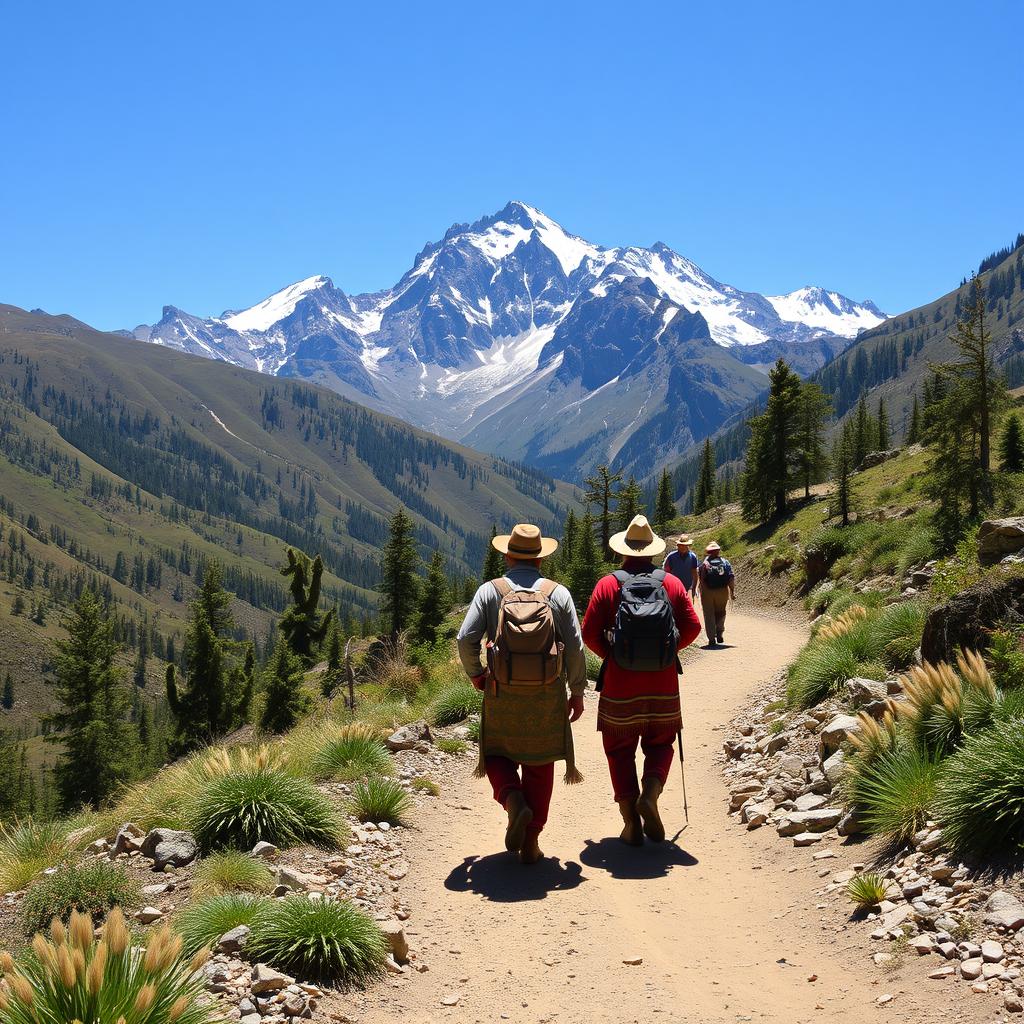
Why 2026 is the Year Indian Travelers Will Finally Embrace Slow Travel
Estimated reading time: 8–10 minutes
✨ Quick Takeaways
- Quality Over Quantity: Move away from “Checklist Tourism” to deeper regional immersion.
- Visa Benefits: The new Schengen “Cascade” regime rewards stable, single-region itineraries.
- Financial Strategy: Avoid “panic expenses” and transit inflation with a stay-put approach.
- Personalized Dining: Better support for Jain and Vegetarian requirements through local integration.
In This Guide
- Why the Whirlwind Tour is Dying
- The Visa Strategy for 2026
- Budgeting (Estimated in INR)
- Suggested Slow Travel Itineraries
- The Vegetarian and Jain Perspective
- Actionable Planning Insights
- Safety and Scams to Avoid
- Advice for Families, Couples, and Solos
- How Let’z Go Travel Adds Value
- Frequently Asked Questions
- Conclusion
For years, the standard Indian international holiday followed a predictable, exhausting pattern: landing in a hub like London or Paris and attempting to “see” six cities in ten days. You spent more time in transit vans and train stations than you did actually experiencing a destination. You came back from your “break” needing another week off just to recover from the logistics.
At Let’z Go Travel, we are seeing a fundamental shift in how our clients plan for 2026. The era of “Checklist Tourism” is fading. Our clients are tired of the 6:00 AM lobby calls and the rushed breakfasts. They are moving toward Slow Travel—staying in one region for a week or more, unpacking their suitcases once, and actually learning the rhythm of a place.
If you want to understand why 2026 is the year to slow down, and how to do it without wasting money or facing visa hurdles, this guide is for you.
The Reality Check: Why the Whirlwind Tour is Dying
In 2024 and 2025, we saw record-breaking crowds at major global landmarks. The result was disappointing for many. I recently spoke with a family who planned a 12-day “Grand Europe” tour independently.
Slow travel isn’t just a “vibe.” It is a strategic response to over-tourism. When you stay in a secondary city or a single rural region, you avoid the inflated “tourist trap” prices, the aggressive crowds, and the constant anxiety of making the next connection. In 2026, with global airfares expected to stabilize but local transit costs rising, staying put is also the most financially sensible way to travel.
The Visa Strategy for 2026
For Indian passport holders, visas are the biggest bottleneck. Slow travel simplifies this significantly.
If you are looking at Europe, the new “Cascade” regime for Schengen visas means that if you have a proven travel history, you are more likely to get a multi-year visa. Slow travel helps here because your itinerary looks stable and credible to embassy officials. Instead of showing a chaotic path through five countries—which often triggers more scrutiny—showing a confirmed 10-day stay in a single region like Crete (Greece) or the Algarve (Portugal) presents you as a high-value, low-risk traveler.
For 2026, we recommend starting your visa process at least four to five months in advance for Europe or the UK. If you prefer a more spontaneous slow travel experience, Southeast Asia remains the best bet. Vietnam and Thailand are perfect for this; you can spend two weeks just in Central Vietnam (Da Nang and Hoi An) without the stress of internal flights or complex paperwork.
Budgeting for a Slow Travel Trip (Estimated in INR)
Slow travel allows for a “middle-out” budget. You save on expensive last-minute trains and short-haul flights, allowing you to spend more on high-quality accommodation or private experiences.
| Travel Style | Estimated Budget (Per Person) | Typical Inclusions |
|---|---|---|
| Mid-Range (e.g., Vietnam, Georgia) | ₹1,50,000 – ₹2,25,000 | Boutique stays, private transfers, high-quality local meals. |
| Premium (e.g., Japan, Italy) | ₹4,50,000 – ₹6,50,000 | Luxury villas/Ryokans, specialized guides, Premium Economy/Business flights. |
Suggested Slow Travel Itineraries for 2026
1. The Kyushu Loop, Japan (12 Days)
Most Indians do the Tokyo-Kyoto-Osaka “Golden Route.” It is overcrowded. Instead, fly into Fukuoka. Spend four days in the onsen towns of Beppu, three days in the lush greenery of Kumamoto, and four days in Nagasaki.
- Connectivity: Direct flights from Delhi or Mumbai to Tokyo/Osaka, with a quick domestic connection.
- Why it works: You experience the “real” Japan with better hospitality and lower costs than Tokyo.
2. The Istrian Peninsula, Croatia (10 Days)
Forget the “Game of Thrones” crowds in Dubrovnik. Settle into a villa in Istria. Use it as a base to visit truffle forests, coastal towns like Rovinj, and Roman ruins in Pula.
- Connectivity: Fly from Bangalore or Delhi to Zagreb or Venice and take a private transfer.
Food and Dining: The Vegetarian and Jain Perspective
One of the biggest anxieties for Indian travelers is food. When you travel “fast,” you often end up eating at the same three Indian restaurants near the city center because you don’t have time to research.
Slow travel solves this. When you stay in one place for a week, we can help you find local apartments with kitchenettes or boutique hotels that understand dietary restrictions. In 2026, the “Farm-to-Table” movement will be at its peak globally.
Actionable Insights for Your 2026 Planning
Best Time to Visit
- Europe: May-June or September-October. Avoid August (heat and closures).
- Southeast Asia: November to February. Note the split climate in Vietnam.
- Japan: Late October for autumn colors—less crowded than cherry blossom season.
- Do invest in an e-SIM via Airalo immediately upon landing.
- Don’t book non-refundable rates yet; airline schedules are still shifting.
- Do carry a universal adapter and a high-capacity power bank for long days of exploration.
- Don’t carry excessive cash; the world is moving toward tap-to-pay.
Safety and Scams to Avoid
In a slow travel context, you are less likely to fall for transit-hub scams. However, stay vigilant regarding:
- The “Closed Attraction” Scam: Common in SE Asia; verify closures independently.
- Unregulated Taxis: Always use verified apps like Grab (SE Asia), Uber (Europe), or Gojek. Never enter a car without a fixed app price or running meter.
Tailored Advice for Different Travelers
- For Families: Rent a house with a pool in rural France or a coastal villa in Sri Lanka to maintain a “home base” routine.
- For Honeymoon Couples: Pick one lake (e.g., Lake Brienz or Lake Lugano) rather than a stressful 5-city rail pass.
- For Solo Travelers: Slow travel is safer. Becoming a “regular” at a local cafe creates a safety net of recognition.
How Let’z Go Travel Adds Value
Planning a slow travel trip is complex. It requires knowing which village market is on Tuesdays and coordinating remote transfers. We handle the logistics—from 11:00 PM driver meet-and-greets to real-time rerouting during local strikes or weather disruptions. We manage the visa paperwork so you can focus on being present.
Frequently Asked Questions (FAQs)
Won’t I get bored staying in one place for 10 days?
Most people find the opposite. It takes about three days to truly relax. By day five, you start discovering hidden alleys and local festivals that 90% of tourists miss.
Is slow travel more expensive?
Usually, it is cheaper. While daily accommodation might be higher for better locations, you save a fortune on flights, trains, and the “convenience tax” of being a rushed tourist.
Can I do slow travel in India?
Absolutely. Spend a week in Udaipur or ten days in a single valley in Himachal Pradesh. The principles of “depth over distance” apply everywhere.
Conclusion
2026 will be the year we stop “touring” and start “traveling.” The Indian traveler has matured; the new luxury is time—time to wake up without an alarm and time to actually remember the name of the person who served you coffee.
If you are ready to plan a trip that leaves you feeling refreshed rather than depleted, let’s talk about your 2026 slow travel itinerary. We will handle the visas and the logistics; you just focus on being present.